5 MitoRedLight Alternatives for Home Recovery Compared
Last Updated: November 11, 2026
Quick Summary
Five mitoredlight alternatives for home recovery are the TimeLight Core, TimeLight Elevate, TimeLight Pulse, TimeLight Apex and NiceBeam LumaSpectrum 9 Pro. The best choice depends on how much body area you need to cover and what you can spend, with prices from $650.00 to $6,250.00.
- The TimeLight Core is the most compact option at $650.00, built for targeted areas.
- The NiceBeam LumaSpectrum 9 Pro is a full-body panel at $1,099.00 with a 3-year warranty.
- Mounting hardware is included with the NiceBeam, but its stands and base are sold separately.
- Measure your treatment space and confirm your outlet can handle the rated wattage before buying.
- Compare cost per treatment using your realistic usage, not your best-case estimate.
Table of Contents
- What Actually Matters in a Home Red Light Panel
- Mitoredlight Alternatives for Home Recovery Cost Breakdown
- Aurevia TimeLight Core: The Compact Entry Point
- TimeLight Elevate and Pulse: Mid-Tier and Full-Body Recovery
- Nicebeam LumaSpectrum 9 Pro: Nine Wavelengths at a Lower Price
- Mitoredlight Alternatives for Home Recovery Reviews and What Users Report
- Medical-Grade Red Light Therapy at Home: Realistic Expectations
- Choosing Your Panel and Booking a Physician-Guided Consultation
- Frequently Asked Questions
Shoppers comparing red light therapy panels for home recovery often start with one name, and then start looking for alternatives. The reasons vary. Some want a lower price, some want more wavelengths, and some want a panel that fits a smaller room. This guide compares five options so you can match a panel to how you actually plan to use it.
Most buyers arrive with a simple goal: recovery after training, a few sore joints, or a daily routine that fits into a busy schedule. That goal shapes which specifications matter. A compact panel suits a desk-side or bedside routine, while a larger full-body panel suits a dedicated recovery space. The right choice depends less on brand reputation and more on coverage, output and budget.
Before comparing products, it helps to know what a red light therapy panel is. A red light therapy panel is a device that emits visible red and near-infrared light from an array of LEDs, intended for general wellness and recovery routines.
We will look at five options: the TimeLight Core, TimeLight Elevate, TimeLight Pulse, TimeLight Apex and NiceBeam LumaSpectrum 9 Pro. Each one serves a different kind of user.
What Actually Matters in a Home Red Light Panel
Panel specifications can look similar on a product page, so focus on a few decisions. Coverage tells you how much of your body a session reaches. Wavelength count tells you how many light frequencies the panel emits. Build and power draw affect how easily the panel fits and runs in your home.
Start with your space. A panel that works well in a garage gym may overwhelm a small bedroom. Measure the wall or floor area you plan to use before you shortlist models.
Irradiance, Wavelengths and Coverage Area
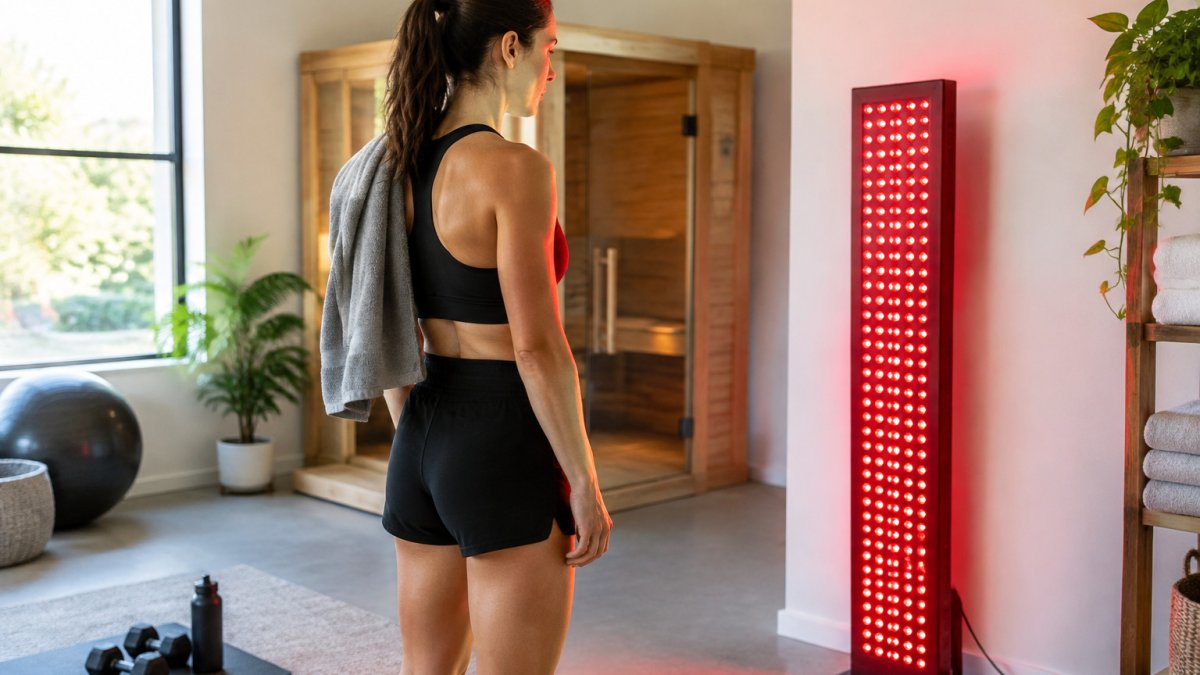
Irradiance describes how much light reaches the skin at a given distance. Manufacturers often publish irradiance figures at set distances, so compare those figures at the same distance when you can. Wavelength count describes how many distinct light frequencies a panel emits.
Coverage area matters most for recovery. Compact panels suit smaller areas, while full-body panels cover a larger area in one session.
Power Draw, EMF and Build Quality
Power draw affects your electrical setup and running costs. Check the rated wattage on the spec sheet, and confirm that your outlet can handle it. Electromagnetic field (EMF) readings are another common question. Ask the seller for measured EMF values at a stated distance rather than relying on general claims.
Look for a documented warranty, since it tells you what the manufacturer expects to cover over time.
Mitoredlight Alternatives for Home Recovery Cost Breakdown
Price is often the first filter, but the sticker price is only one line in the real cost of a home recovery panel. The five options below range from the entry-level TimeLight Core at $650.00 to the flagship TimeLight Apex at $6,250.00. The table summarizes what each panel offers at its starting price.
| Panel | Starting Price | Coverage | Wavelengths | Best For |
|---|---|---|---|---|
| TimeLight Core | $650.00 | Targeted areas | 9 wavelengths | Desk-side and bedside routines |
| NiceBeam LumaSpectrum 9 Pro | $1,099.00 | Full-body sessions | 9 wavelengths | Skin, muscle and joint use |
| TimeLight Elevate | $2,100.00 | Mid-size coverage | 9 wavelengths | Most home recovery spaces |
| TimeLight Pulse | $4,850.00 | Full body | 9 wavelengths | Dedicated recovery rooms |
| TimeLight Apex | $6,250.00 | Full body | 8 wavelengths | Executive wellness suites |
Starting Price
Total Cost of Ownership, Not Just Sticker Price
Expected lifespan affects the real cost of any panel, so consider how long you plan to keep it. Build a simple total-cost estimate before you buy:
- Purchase price. Use the delivered price, including tax and shipping, not the advertised starting price.
- Required accessories. The NiceBeam LumaSpectrum 9 Pro includes mounting hardware, but the electric stand, manual stand and base are sold separately, so add those to your budget. Confirm whether stands, goggles and a door mount are included with each TimeLight model.
- Warranty length. The NiceBeam LumaSpectrum 9 Pro lists a 3-year warranty. The TimeLight Pulse listing does not state a fixed warranty period, so confirm the final terms at purchase. A longer warranty lowers your expected repair cost.
- Expected lifespan and replacement parts. Ask the seller how long the LEDs are rated to run and whether replacement parts are sold separately.
- Return terms. Check the return window and who pays return shipping on a large panel. A generous return policy is worth real money on a $2,000.00-plus purchase.
- Cost per treatment. Divide the total cost by the number of sessions you realistically expect to complete. A $650.00 panel used five times a week for three years costs well under a dollar per session; a $6,250.00 panel used twice a month costs far more per session.
A common pattern is that buyers underestimate accessory and shipping costs on full-body panels and overestimate how often they will use a large device. Run the cost-per-treatment math with your honest usage estimate, not your best-case one.
Watch out: comparing a starting price that excludes a required stand against a competitor's all-in price makes the cheaper panel look better than it is. Price the exact configuration you will use.
Price alone does not settle the decision. A lower-priced panel that you use daily can deliver more value than a costlier one that sits unused, and a mid-priced panel with a long warranty and included accessories can beat both on total cost.
Aurevia TimeLight Core: The Compact Entry Point
The TimeLight Core is the most compact option in the TimeLight lineup at $650.00. It is built for targeted use, such as a face, shoulder, arm or knee, rather than full-body sessions. Its touchscreen and app-enabled controls are part of its listed design.
Choose the Core if you want a compact panel for a home office or bedroom and do not need full-body coverage. Skip it if you plan to treat your whole torso or back in one session, because a larger panel will serve you better.
Measure the area you want to treat first.
TimeLight Elevate and Pulse: Mid-Tier and Full-Body Recovery
The TimeLight Elevate at $2,100.00 sits between compact panels and full-body systems. It uses a 288-LED dual-chip array in a slim vertical format, and its nine-wavelength platform combines red and near-infrared wavelengths.
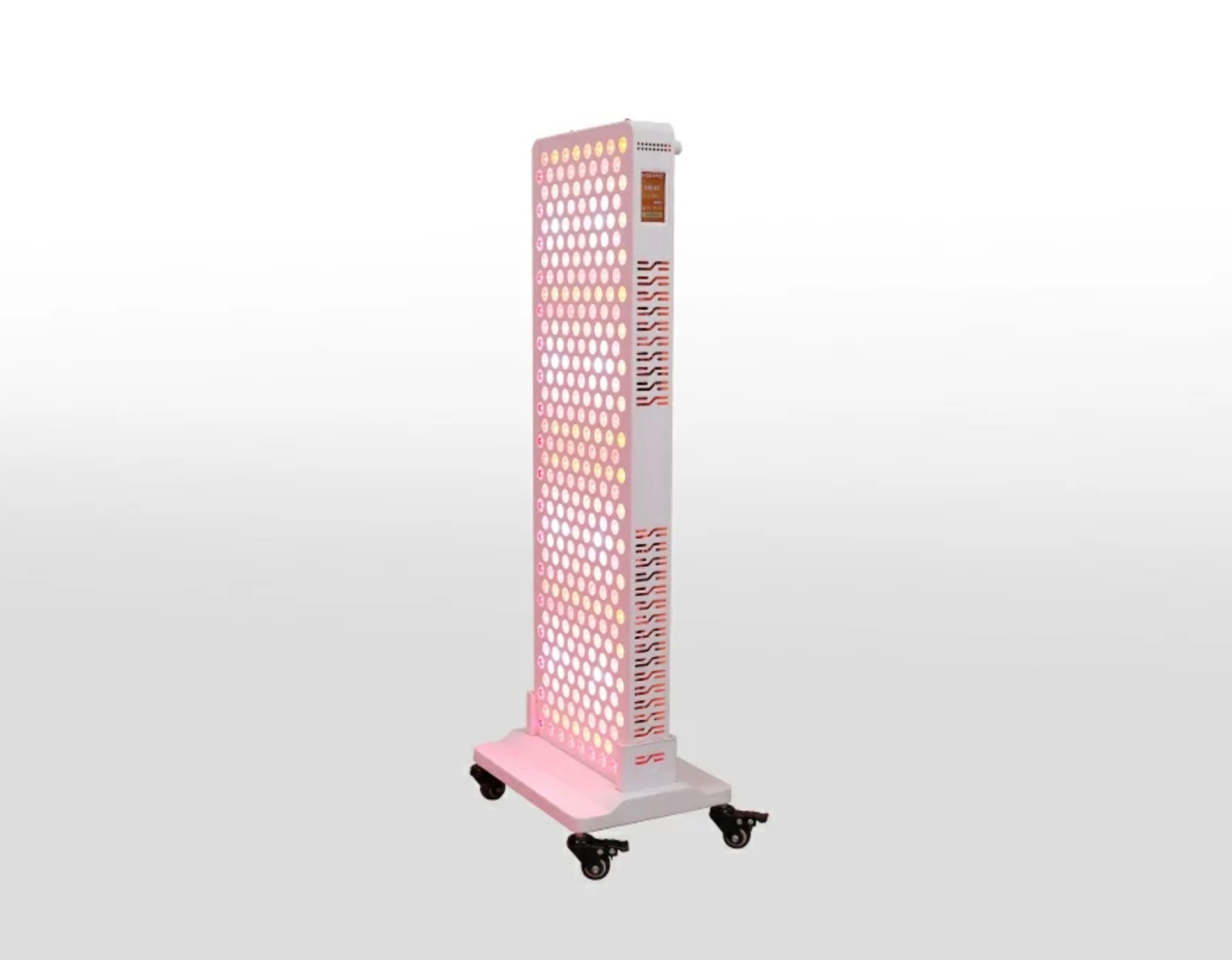
The TimeLight Pulse at $4,850.00 steps up to a 576-LED full-body panel. It adds Bluetooth connectivity. It suits athletes who want full-body sessions in a dedicated space. Confirm the final warranty terms at purchase, because the listing does not state a fixed warranty period.
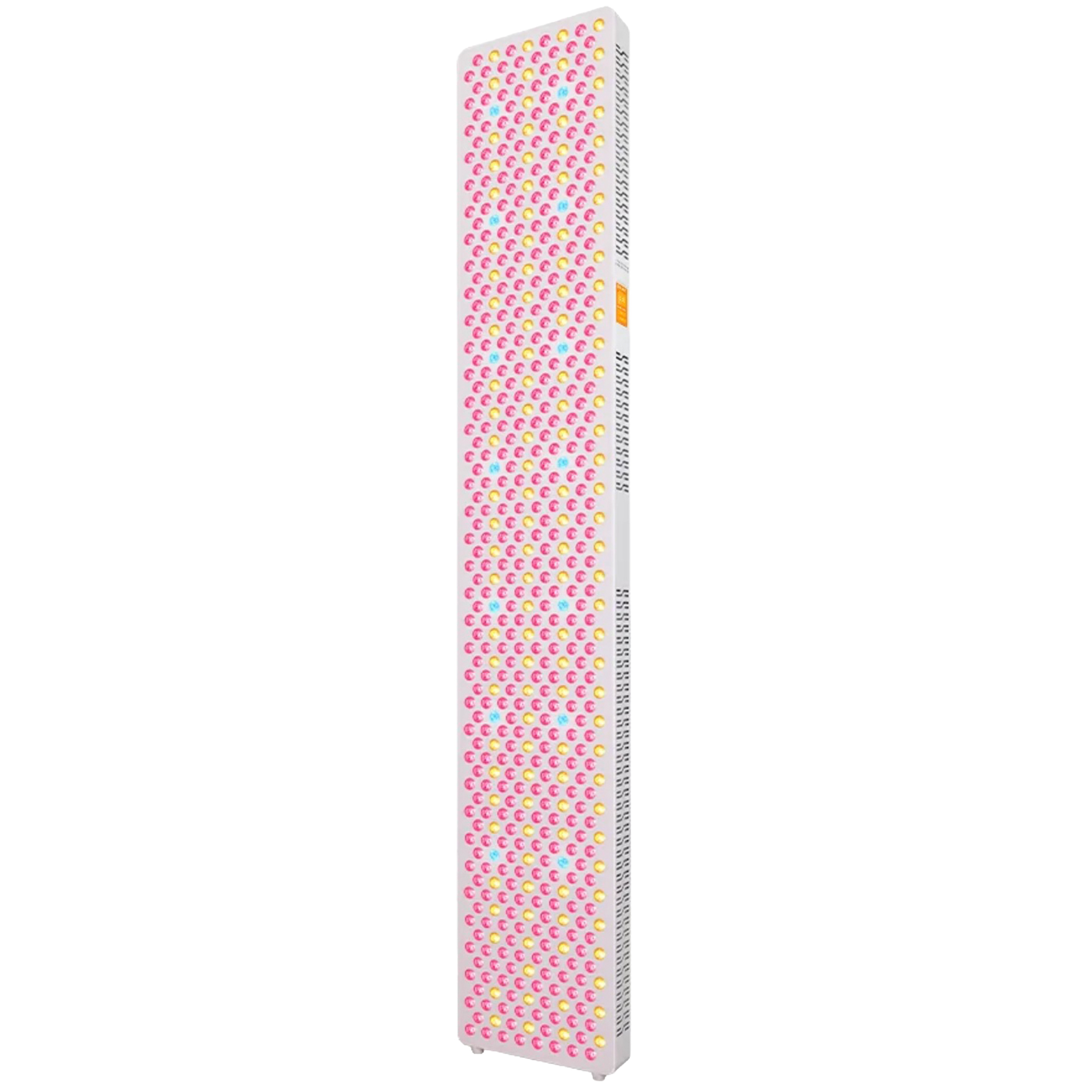
Read the Elevate if you want mid-size coverage at a moderate cost. Read the Pulse if your recovery routine calls for full-body treatment.
Nicebeam LumaSpectrum 9 Pro: Nine Wavelengths at a Lower Price
The NiceBeam LumaSpectrum 9 Pro is priced at $1,099.00 and is a full-body panel with 320 dual-chip LEDs. It combines blue, amber, red and near-infrared wavelengths, and it lists a 3-year warranty covering manufacturing defects, faulty parts and wiring issues. Its remote lets you adjust intensity from where you sit or stand.
It is a full-body option priced below the TimeLight panels. Mounting hardware is included, but the electric stand, manual stand and base are sold separately, so add those to your budget. The listing states 380W actual power draw, which is worth checking against your outlet.
Mitoredlight Alternatives for Home Recovery Reviews and What Users Report
Customer feedback for these panels is limited. Aurevia Wellness shows a 4.8 rating from 4 reviews.
Because published reviews are thin, the more useful approach is to evaluate each panel against a consistent checklist rather than rely on star ratings. This is the step most roundups skip, and it is where you can separate a well-built panel from a well-marketed one.
A Standardized Checklist for Verifying Any Panel
Use the same questions for every model you shortlist, and ask the seller in writing where the answer is not on the product page:
- Measured irradiance at a stated distance. Ask for the irradiance figure in mW/cm² at a specific distance, such as 6 inches or 12 inches. A number without a distance is not comparable to another panel.
- Wavelength list. Confirm the exact wavelengths, not just the count. Red and near-infrared are the wavelengths most studied for recovery, so check that both are present.
- Coverage at treatment distance. Ask how large the treated area is at the distance you will actually stand or sit. A full-body claim means little if the useful coverage is smaller at a comfortable distance.
- Heat and cooling. Ask whether the panel uses fans and how warm the surface gets during a full session. Heat affects comfort and how long you can treat.
- Noise. Fan noise matters if you plan to use the panel in a bedroom or while watching television.
- Controls and usability. Confirm whether controls are on the device, on a remote, or in an app, and whether the app is required for basic operation.
- Durability signals. Look for a stated LED lifespan, a warranty that covers parts and labor, and whether replacement parts are sold separately.
- Return terms. Confirm the return window and who pays return shipping.
When you do read reviews, look for specific comments about setup, coverage, noise and warranty service, and discount general praise. A review that names a model, a body area and a session length is more useful than a five-star rating with no detail. Ask sellers for references or a return policy before you commit to a larger purchase.
Watch out: a high average rating from a handful of reviews can hide early production problems. Treat small samples as a starting point and weight the written checklist more heavily than the star score.
Medical-Grade Red Light Therapy at Home: Realistic Expectations
The term "medical-grade" is used loosely in marketing, and it is not a regulated label for consumer panels. Consumer wellness devices like these are not positioned as diagnostic or treatment devices.
Set realistic expectations. Red light therapy is one part of a recovery routine, alongside sleep, nutrition and training load. Research on muscle recovery is still developing, and individual results vary. Read our red light therapy for muscle recovery guide for more on what to realistically expect. For background on how red light therapy is studied for recovery, review National Institutes of Health research on photobiomodulation.
Check with a doctor before starting if you are pregnant, take photosensitizing medication, have a medical condition or use an implanted device.
Choosing Your Panel and Booking a Physician-Guided Consultation
Start with coverage. If you need a targeted panel for a small area, the Core is the lowest-priced option in this comparison. If you want full-body sessions on a budget, the NiceBeam LumaSpectrum 9 Pro is a strong option. For mid-size coverage, the Elevate is a balanced option, while the Pulse and Apex are full-body panels.
Then match the panel to your budget and room size. Measure your space, confirm your outlet capacity and check the warranty terms before you buy. If you want help narrowing the choice, book a physician-guided product selection consultation to talk through your recovery goals and space.
Frequently Asked Questions
Will a cheap red light therapy device work?
Price alone does not tell you whether a panel will perform. Check the irradiance at the distance you plan to use it, the wavelengths listed, the LED count and the warranty. Low-cost devices often publish little of this data. The Nicebeam LumaSpectrum 9 Pro, listed at $1,099.00, carries a 3-year warranty and publishes irradiance figures at set distances.
How much does a home red light therapy panel cost?
In the Aurevia Wellness catalog, the TimeLight Core starts at $650.00, the TimeLight Elevate at $2,100.00, the TimeLight Pulse at $4,850.00 and the TimeLight Apex at $6,250.00. The Nicebeam LumaSpectrum 9 Pro is listed at $1,099.00. Stands and mounting hardware may be sold separately on some models, so confirm what is included before comparing totals.
How long should you use red light therapy at home?
The Nicebeam LumaSpectrum 9 Pro manufacturer guidance recommends sessions of 10 to 20 minutes, positioned 6 to 12 inches from the body. Skin-focused sessions use 6 to 8 inches, while muscle and joint sessions use 8 to 12 inches. Always wear the included protective glasses. Consult a qualified healthcare professional before starting a new routine, particularly if you take photosensitizing medications.
Are red light therapy panels or lamps better for home use?
Panels cover more area per session, which suits full-body recovery routines, while smaller lamps suit targeted use such as the face or a single joint. Panel models in this comparison range from compact targeted formats to full-body systems. Choose based on the area you want to treat, the space you have and how often you plan to use it, rather than on a general preference for one format.